
"Japanese coffee invention"
400 article(s) found

Introduction of Japanese Coffee Culture basic knowledge of Fine Coffee
Today, Japan has become the world's third largest importer of coffee, after the United States and Germany, importing 400000 tons of unroasted coffee beans in 2000 alone. Young people in Japan regard going to cafes as part of their urban life. Little bourgeois lifestyle is also very popular in Japan. Since the 1990s, cafes have gradually become a big city in Japan.

The birth of instant coffee
The popularity of coffee began in the Meiji era. The earliest coffee taste that can be tasted casually comes from coffee candy or snow candy. This is to add coffee to cube sugar and chew it in your mouth. If you put it into a cup and rinse it with hot water, it will become a simple coffee and tea. Now known as instant coffee was produced in 1899 (Meiji 32). Invented by Dr. Kato Kato, the Japanese who invented the vacuum drying method.

Introduction to the unique Coffee Culture of Germany, the country that invented filter Paper to extract Coffee
Professional baristas follow the Coffee Workshop (official Wechat account cafe_style) said that in Germany, the image of beer is powerful, but in fact this is a country that consumes a lot of coffee. I will see how Germans enjoy coffee, German coffee culture and its characteristics. It's not just beer! Germans also like coffee to influence Oktoberfest in China, with beer and beer in Germany.
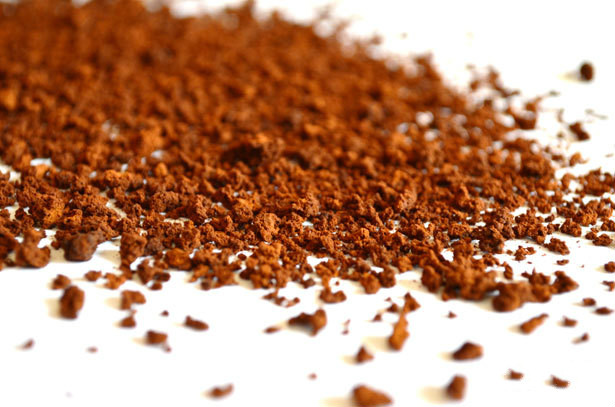
China Coffee Network tells you the history of instant coffee the development of instant coffee Nestle Coffee Company
In 1901, instant coffee, which can be drunk by adding hot water, was invented in Chicago by SatoriKato, a Japanese-American chemist. In 1906, British chemists invented the technology for mass production of instant coffee. Washington, who was living in Guatemala, observed dry coffee on coffee cups. After experiments, he created RedE Coffee and entered the market in 1909.
Matsuya method also comes from Japanese hand flushing method.
The Matsuya method also comes from Japan, which was invented to extract only the delicious ingredients from the coffee. Use a spoon to dig a big hole in the coffee powder, about 30cm from the noodle, pour water from the middle until the coffee liquid begins to drip, then draw a circle like a circle to wet the coffee powder and cover it with steaming. After 3 minutes, it begins to be uniform.

Matsuya method comes from Japanese hand flushing method
The Matsuya method also comes from Japan, which was invented to extract only the delicious ingredients from the coffee. Use a spoon to dig a big hole in the coffee powder, about 30cm from the noodle, pour water from the middle until the coffee liquid begins to drip, then draw a circle like a circle to wet the coffee powder and cover it with steaming. After 3 minutes, it begins to be uniform.
The History of Coffee the birth of Instant Coffee
The popularity of coffee began in the Meiji era. The earliest coffee taste that can be tasted casually comes from coffee candy or snow candy. This is to add coffee to cube sugar and chew it in your mouth. If you put it into a cup and rinse it with hot water, it will become a simple coffee and tea. Now known as instant coffee was produced in 1899 (Meiji 32). Invented by Dr. Kato Kato, the Japanese who invented the vacuum drying method.
Siphon pot history origin Siphon pot coffee flavor characteristics Siphon pot principle
Professional coffee knowledge exchange More coffee bean information Please pay attention to coffee workshop (Weixin Official Accounts cafe_style) The origin of siphon pot dates from 1830 to 1840. Loeff of Berlin, Germany first invented the siphon extraction method of glass material and upper and lower double pots. Later, after continuous improvement in France, Britain and Germany, it reached its peak in 1950s. another way of saying

The Cultural History of Coffee the birth of instant coffee
The popularity of coffee began in the Meiji era. The earliest coffee taste that can be tasted casually comes from coffee candy or snow candy. This is to add coffee to cube sugar and chew it in your mouth. If you put it into a cup and rinse it with hot water, it will become a simple coffee and tea. Now known as instant coffee was produced in 1899 (Meiji 32). Invented by Dr. Kato Kato, the Japanese who invented the vacuum drying method.
The historical origin of hanging-ear coffee the difference between instant coffee and hanging-ear coffee
Hanging ear bag is a patented design developed by the Japanese. The filter bag is used to store coffee, while there are small cardboard on both sides, like two small ears, so it is called hanging ear coffee ~ and these two small ears are used to hang the coffee bag at the mouth of the cup to brew. After brewing, the ear bag can be thrown away, and it is convenient to drink freshly ground coffee like hand-brewed coffee. The history of hanging-ear coffee
An introduction to Coffee Culture in Japan
Today, Japan has become the world's third largest importer of coffee, after the United States and Germany, importing 400000 tons of unroasted coffee beans in 2000 alone. Young people in Japan regard going to cafes as part of their urban life. Little bourgeois lifestyle is also very popular in Japan. Since the 1990s, cafes have gradually become a big city in Japan.

Mrs. Merita, the pioneer of follicular coffee.
When it comes to the popular way of brewing coffee in the world, we should thank Bentz Melitta, a German housewife. She invented the coffee bubble method more than 100 years ago, rewriting the history of coffee drinking in Germany and the world. Born in Dresden in 1873, Bentzmerita is a housewife who likes Schlchen Heeen.

The price of Japanese hanging-ear coffee is too expensive. Amway, you are a super cost-effective premium hanging-ear coffee.
Professional coffee knowledge exchange more coffee bean information Please follow the coffee workshop (Wechat official account cafe_style) people who have never tried to hang a bag of coffee may be afraid that the coffee is too bitter, but actually know how to choose the coffee beans they like and brew them in the right way, so that they will not be bitter but will better taste the pure flavor of the coffee. The origin of hanging-ear bag coffee filter-hanging coffee
Mrs. Merita, the pioneer of follicular coffee.
When it comes to the popular way of brewing coffee in the world, we should thank Bentz Melitta, a German housewife. She invented the coffee bubble method more than 100 years ago, rewriting the history of coffee drinking in Germany and the world. Born in Dresden in 1873, Bentzmerita is a housewife who likes Schlchen Heeen.

Mrs. Melita is a pioneer in making coffee by hand.
When it comes to the popular way of brewing coffee in the world, we should thank Bentz Melitta, a German housewife. She invented the coffee bubble method more than 100 years ago, rewriting the history of coffee drinking in Germany and the world. Born in Dresden in 1873, Bentzmerita is a housewife who likes Schlchen Heeen.
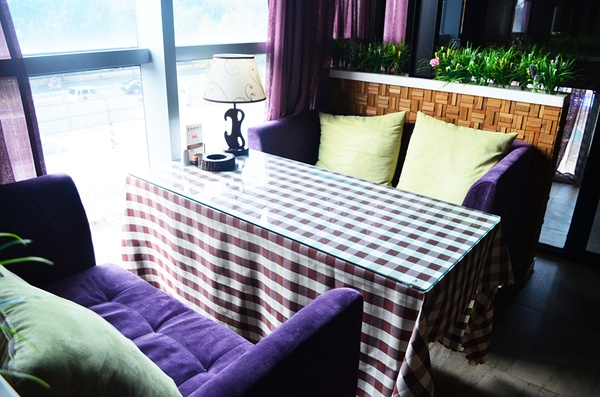
A brief introduction to Coffee Culture in Japan
Today, Japan has become the world's third largest importer of coffee, after the United States and Germany, importing 400000 tons of unroasted coffee beans in 2000 alone. Young people in Japan regard going to cafes as part of their urban life. Little bourgeois lifestyle is also very popular in Japan. Since the 1990s, cafes have gradually become a big city in Japan.
Coffee dissemination chronology
Coffee spread to Arabia (eleventh century), Egypt, Syria. (13th century) Damascus (16th century) Europe (17th century) the first people to plan to grow and eat coffee were Arabs. At the beginning of the eleventh century, people in the Arab region boiled coffee into soup or dried it and then boiled it as stomach medicine. Because Muslim precepts are strict and alcohol is strictly forbidden, Muslims
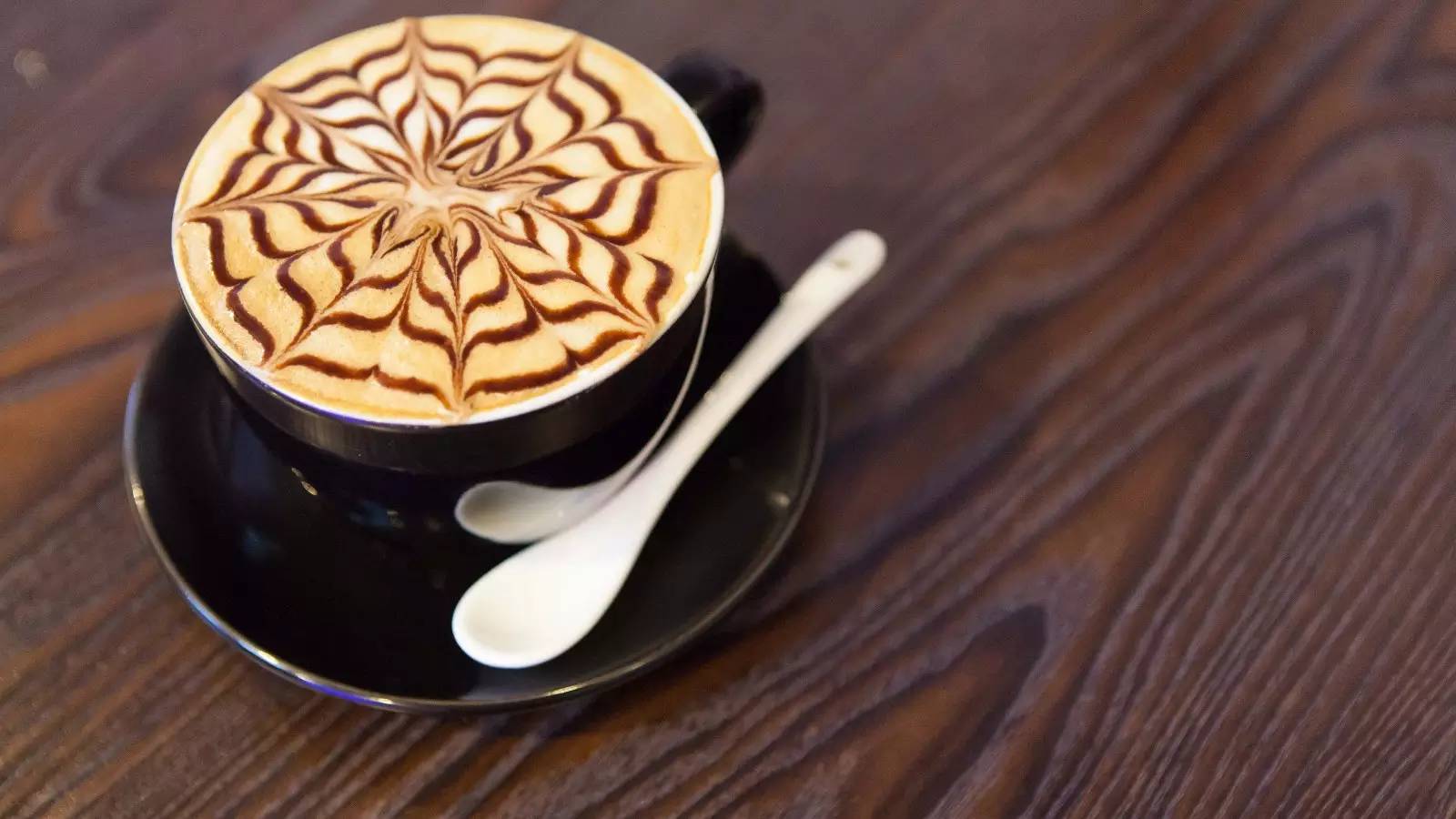
Coffee dissemination chronology
Arab (eleventh century) Egypt, Syria (13th century) Damascus (16th century) Europe (17th century) the earliest people who planned to grow and eat coffee were Arabs. At the beginning of the eleventh century, people in the Arab region boiled coffee into soup or dried it and then boiled it as stomach medicine. Because of the strict Muslim precepts and forbidden to drink alcohol, Muslims

Can individual coffee be used to match?
Charcoal coffee the Japanese invented this coffee, which is also named after roasting. There is a prefecture in Japan that produces long carbon. The Japanese use this carbon to bake coffee beans, giving this coffee a faint charcoal-burning flavor. Just like our Beijing Roast Duck, it uses a special kind of fruit wood barbecue. In fact, it can be cooked with other wood like ducks, but with this kind of fruit trees, ducks are fragrant.

What is the reason for choosing coffee? What is coffee with ears? The correct way to drink coffee
Professional coffee knowledge exchange More coffee bean information Please pay attention to the invention of ear-hanging bags in coffee workshop (Weixin Official Accounts cafe_style) In China, it is not difficult to obtain ear-hanging bags (also known as filter-hanging coffee). They are sold in major e-commerce, online stores and some self-baked coffee shops. It is also very easy to brew ear-hanging bags by yourself. But do you know which country first invented ear bags?